Banquet Hall vs. Hotel Ballroom: Which Rental Fits Your Event?
Two venues, two very different evenings. A standalone banquet hall with a wide dance floor and a kitchen you can hand over to your own caterer. A hotel ballroom with chandeliers, an events team on staff, and a block of guest rooms three floors up. Both can seat two hundred people. Both photograph beautifully. The differences show up in your budget, your vendor list, and how much work lands on your plate in the final two weeks.
Here's how the two compare on the things that usually decide it.
Rental Costs: Two Pricing Models
Start with the way each venue charges, because the headline number rarely tells the whole story.
Standalone halls usually quote a flat rental fee. You pay for the room, plus often a separate charge or deposit for cleaning and security. Catering, bar, linens, and AV sit outside that fee, which means you can see every cost on one sheet and shop around for the pieces you care about.
Hotels more often quote a food and beverage minimum. There may be no rental fee at all, but you commit to spending a set amount on dinner, drinks, and sometimes service. If your guest list comes in smaller than you hoped, you still owe the minimum. If the bar runs long, you may sail past it.
Two details to check on any hotel quote: the service charge and gratuity, which get added to most food and beverage lines, and whether those charges are themselves taxed. Ask for a sample invoice from a past event rather than just a per-person plate price. A hall that looks pricier up front can end up cheaper, and a "free" ballroom can exceed a hall's rent once the minimum and service charges land.
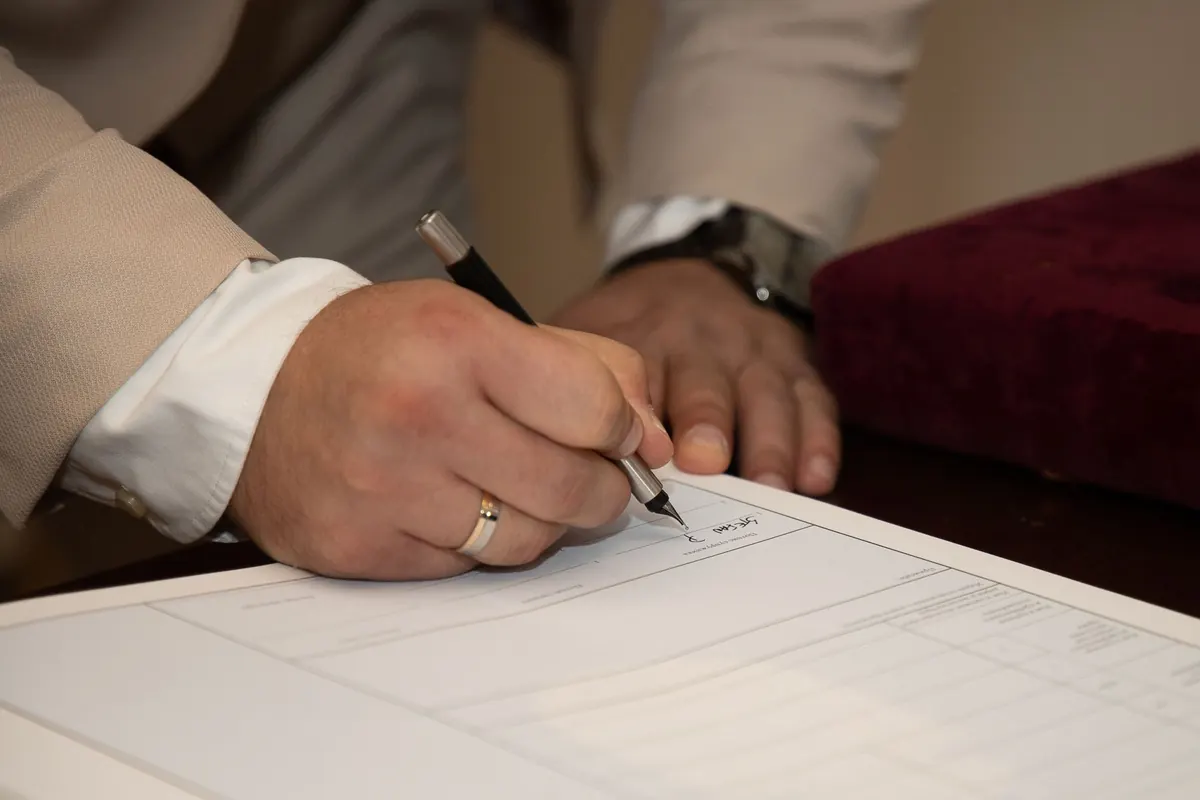
Get every quote in writing, including load-in times, overtime rates, deposits, and cancellation terms. If you're signing a contract for a significant amount of money, have a lawyer or financial advisor read it before you sign.
Catering Rules and Kitchen Access
This is the biggest practical difference between the two, and it's worth deciding early because it shapes your guest experience.
Many standalone halls let you bring in your own caterer. That can stretch a budget and lets you book a favorite restaurant, a family-run operation, or someone who already knows your crowd. Some halls keep a list of approved vendors; others have an in-house kitchen you can rent. Either way, ask what the caterer actually gets: prep space, refrigeration, ovens, sinks, water access, and how many hours before the event they can move in. Most halls require proof of licensing and insurance from outside vendors, and some won't allow food prepared in a home kitchen. That's normal. Plan for it.
Hotels almost always require in-house catering. You get a full staff, a proper kitchen, and less to coordinate, but also less flexibility and usually a higher per-plate cost. Ask about cake fees, corkage, and whether you can bring your own dessert or alcohol. Ask how dietary needs are handled and whether kids' meals or vendor meals are priced differently, since those small lines add up quickly.
Amenities and What's Included
Hotels tend to be turnkey. Tables, chairs, linens, flatware, glassware, staging, basic sound, setup, breakdown, coat check, restrooms, parking, and on-site staff are usually part of the package, and a discounted room block for out-of-town guests is often available.
Banquet halls range from fully equipped to an empty room with good light. The only way to know is to ask. Bring this list to every tour:
- Are tables, chairs, linens, and glassware included, or rented separately?
- Is there a house sound system, and who operates it?
- Can we hang decorations, and where are tape, nails, and confetti off limits?
- Is there a coat check, and is it staffed?
- Where is parking, and is it free?
- Is the load-in door at ground level, or is there a service elevator?
- Is security required, and who pays for it?
- What time does music have to stop, and what is the overtime rate?
- Is there a backup space if something goes wrong with the main room?
Atmosphere and Guest Experience
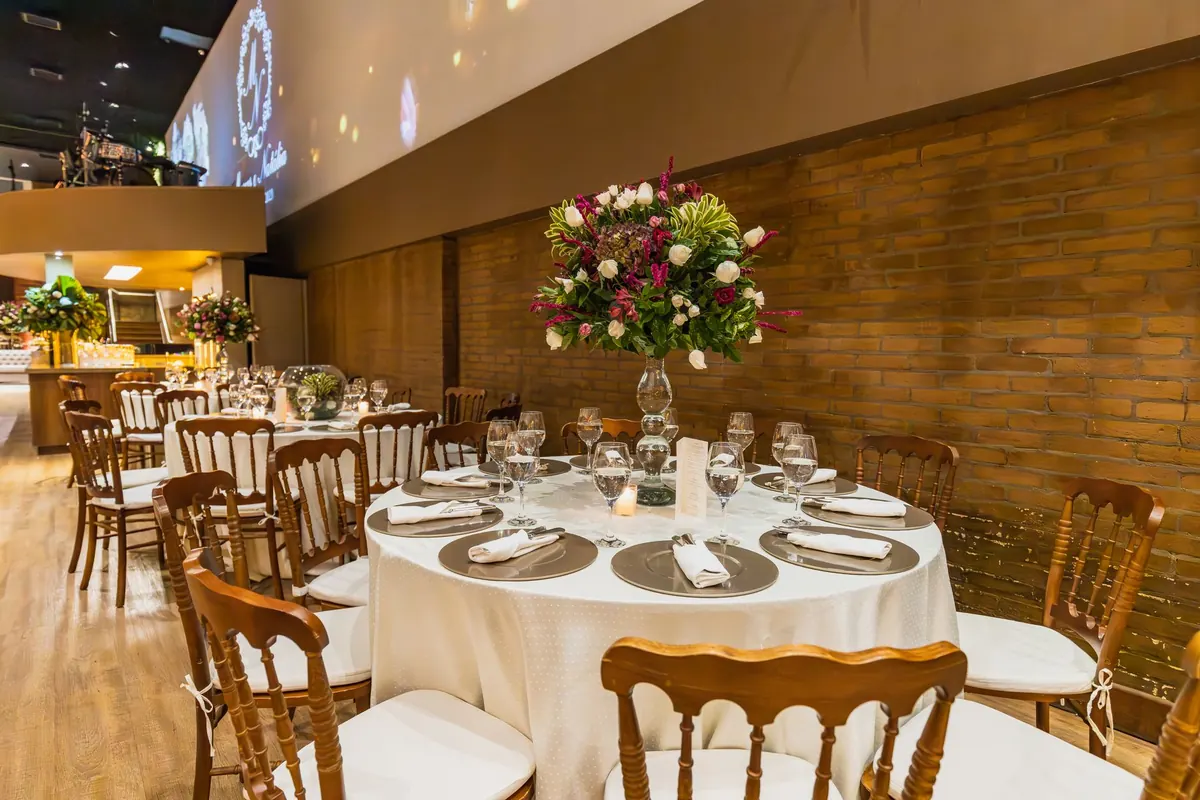
A standalone hall often has character: exposed brick, a wooden floor that's seen decades of dancing, or a plain shell you can dress however you like. The trade-off is that you build the atmosphere yourself, and the surroundings may not help. A hall on a commercial strip with no lobby gives guests nowhere to gather before the doors open.
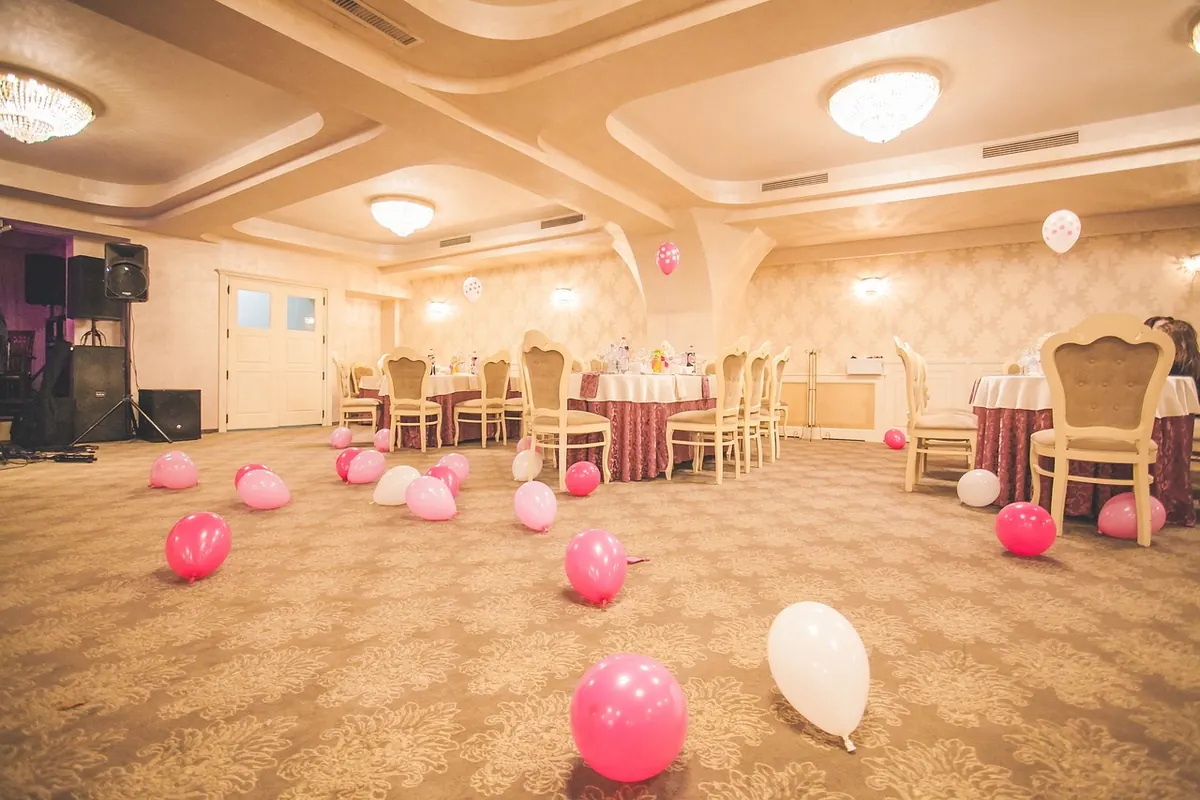
Hotels are predictable and polished, which is either reassuring or a little impersonal depending on what you want. Ballrooms can feel generic, with patterned carpet and low ceilings, and some hotels restrict what you can bring in. House rules or union labor agreements may mean you can't set your own centerpieces or plug in your own AV without an added charge. Ask specifically before you assume.
The hotel advantage is flow. Guests staying overnight walk to their rooms. Family can gather in the lobby bar afterward. A welcome reception Friday, the main event Saturday, and brunch Sunday all happen without anyone hunting for parking three times.
Which Venue Suits Your Event
Weddings
A hotel works well when most guests are traveling, when you want a suite for the couple, and when you'd rather hand off logistics. A banquet hall wins when you have a caterer in mind, need a floor plan that fits a live band, or want a look that isn't a ballroom.
Corporate Events
Hotels have the edge for conferences and trainings needing breakout rooms, reliable AV, and a block of sleeping rooms. For a single-room holiday party or awards dinner, a hall is often the better value.
Fundraisers and Community Events
Halls typically cost less and are more flexible about donated food, volunteer servers, and sponsor signage. A hotel can lend an event a certain polish, and some will waive the room rental once you meet the food minimum. Ask directly.
Making the Final Call
Tour both kinds of venue at the hour your event will run. A ballroom at two in the afternoon looks nothing like it will at eight at night with the lights down. Bring your floor plan and walk through where the bar, the band, the buffet, and the gift table go. Ask who your on-site contact will be and whether that person will be there for the whole event.
Then put the two estimates side by side, including tax, service charge, staff, security, overtime, and anything you have to rent separately. Compare totals, not headline rates. Pick the venue that leaves you with the fewest surprises on the invoice and the least to manage on the day. That's usually the right answer, whatever the carpet looks like.
Photo: StockSnap / Pixabay