What Is Included in a Banquet Hall Rental? A Complete Explainer
A banquet hall rental sounds simple until you read the contract. The room itself is the easy part; everything attached to it is what decides your final bill. Some venues hand over tables, chairs, linens, a sound system, and a staff member who quietly fixes problems before you notice them. Others rent you four walls and a parking lot, then bill separately for every fork. Knowing the usual inclusions helps you compare quotes honestly and ask sharper questions on the tour.
The Room and the Clock
Every rental starts with time, and time is where budgets quietly shift. Many venues sell the day in blocks — an afternoon window, an evening window, or a full day — and the clock may start when you get access, not when your first guest arrives. Ask when vendor load-in begins, when music must stop, and when the last box has to be out the door. Setup and teardown are sometimes built into the rental window and sometimes billed as separate hours.
Confirm whether you have exclusive use of the building or just one room. If another party is booked next door, shared restrooms, parking, and a shared lobby change the feel of your event. Ask about capacity for a seated dinner versus a standing reception. The same space holds very different numbers depending on layout, and the posted occupancy limit is the number that governs everything else.
Furniture and Table Settings
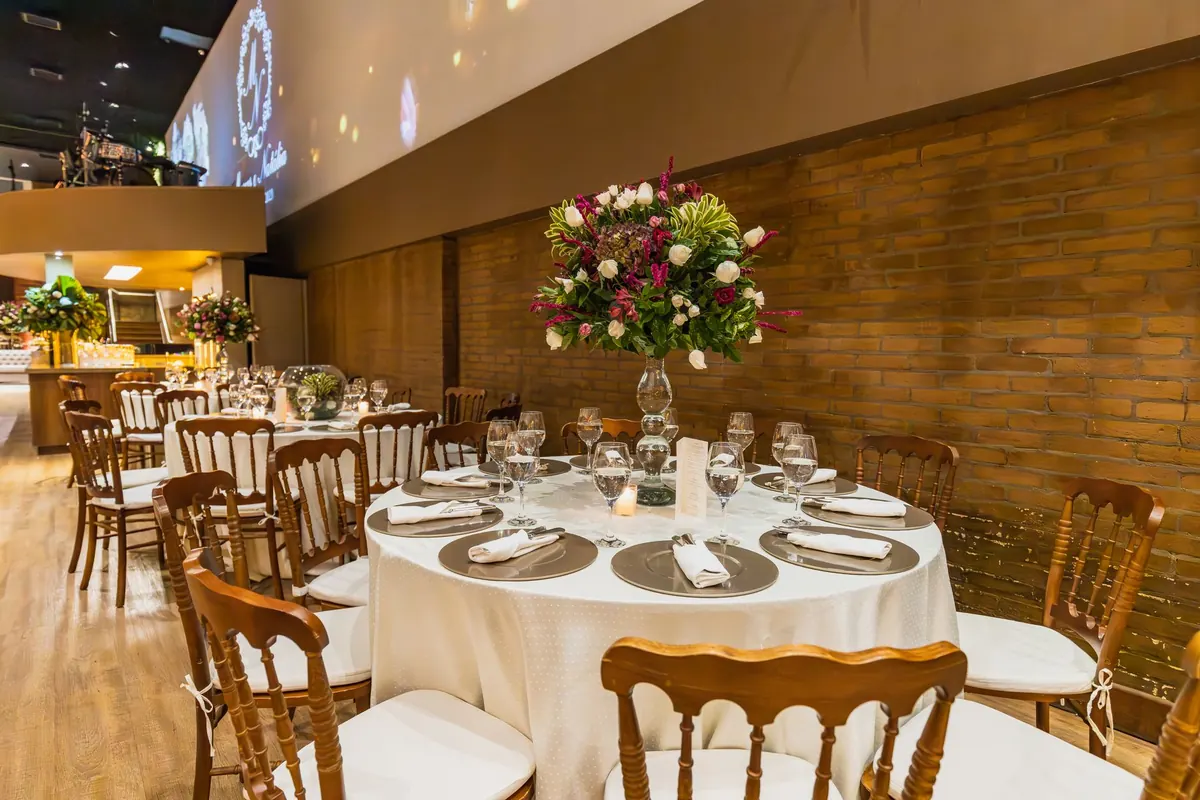
Standard furniture usually comes with the room: banqueting rounds, six- and eight-foot rectangles, cocktail tables, basic chairs, and often a stage or riser for a head table or band. A dance floor may be included or rented as an add-on. It's worth asking who sets the room — most venues arrange tables and chairs to your floor plan, but you'll often be responsible for place cards, centerpieces, and anything on top of the table.
Tabletop items are where packages diverge. Linens, napkins, china, glassware, and flatware are frequently included, but often in tiers: a basic package with white linens and standard glassware, and an upgraded package with textured linens, charger plates, and better stemware. Ask to see the actual samples rather than a catalog photo.
Where furniture costs creep in
- Specialty seating such as Chiavari or cross-back chairs, usually a per-chair upgrade
- Farm tables, lounge furniture, and bar-height cocktail setups
- Pipe and drape, backdrops, and ceremony extras like an arch or aisle runner
- Additional staging, risers, or a larger dance floor than the house size
- Delivery and pickup of outside rental furniture, plus any venue receiving fee
Staff: Which Roles Come With the Building
Venue staff and catering staff are two different payrolls, and mixing them up causes most of the confusion. Building-side staff typically includes an event manager or building supervisor, setup crew, janitorial, security, and sometimes parking attendants. Catering-side staff — servers, bartenders, bussers, kitchen crew — usually arrives with whoever is feeding your guests.
Ask who supervises the floor during the event and who your point of contact is if something goes wrong at 9 p.m. If alcohol is served, expect questions about required security, licensed bartenders, and whether the venue carries liquor liability or you do. Read the service charge carefully: it is often not the same as a gratuity. Ask where each dollar goes and whether staff tips are expected on top. If the contract involves a large deposit or liability language you don't fully understand, have a lawyer review it before you sign.
Catering: In-House, Preferred Lists, and Open Policies
Most venues fall into one of three arrangements. Exclusive in-house catering means one kitchen, one menu, one price sheet — simple, but with limited flexibility. A preferred or approved vendor list gives you a handful of caterers who know the loading dock and the kitchen; there's often a fee if you choose someone outside the list. An open policy lets you bring any licensed caterer, though you may be renting kitchen access by the hour.
Whichever applies, ask about refrigerator and freezer space, ice, prep counters, and whether the caterer can cook on site or must bring food in hot. Clarify the cake-cutting fee, vendor meals, and whether you can supply your own alcohol. If you can, ask about corkage, a licensed server requirement, and how the venue handles leftover bottles.
AV, Lighting, and Power
House sound systems are common, but "sound system" can mean anything from a single microphone to a full PA with a technician. Ask for the equipment list in writing: how many wireless microphones, what mixer, whether a projector and screen are included, and whether someone runs the board or you hire your own technician. Uplighting, dimmable chandeliers, and dance floor lighting are usually optional, and they make a bigger visual difference than most décor upgrades.
Don't overlook the practical side. Where does the band plug in? Is there a clear load-in path, and is there an elevator or a flight of stairs? Is Wi-Fi reliable enough for a livestream? Does the city have a noise ordinance that ends amplified music earlier than your rental does? A five-minute walkthrough with your DJ or band leader before the event prevents a lot of improvisation on the night.
Cleaning, Setup, and Teardown
Cleaning responsibilities split along predictable lines. The venue generally handles floors, restrooms, and trash hauling from the kitchen. You or your caterer typically handle dishware returns, food removal, décor breakdown, and clearing personal items from the suite. Rental companies need their tables and linens back on time, and someone has to stack them where the venue wants them.
Ask about the cleaning fee, the damage deposit, and the overtime rate if your event runs long. Confirm when the deposit is returned and what could reduce it. A brief walkthrough with the venue manager at the end of the night, before everyone leaves, is the simplest way to avoid a dispute two weeks later.
Questions to Ask Before You Sign
- What exactly is included in the base rental price, and what is billed separately?
- How many hours do I have, and when does the clock start and stop?
- How many tables, chairs, and linens come with the room, and in what style?
- Which staff members are provided, and which come from my caterer?
- Is there a service charge, a gratuity, or both?
- What AV equipment is on site, and who operates it?
- What are the rules on outside catering, alcohol, and vendors?
- Who cleans up, what is the damage deposit, and when is it refunded?
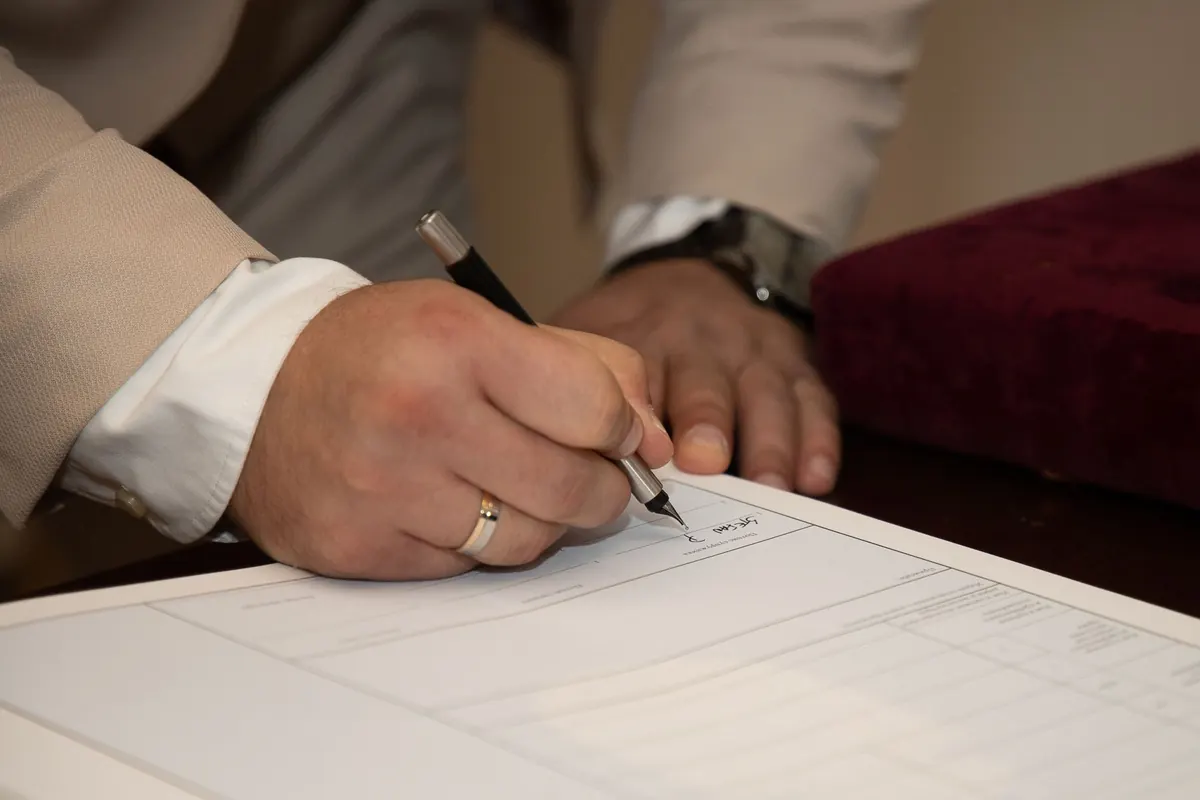
Get the answers written into the contract or added as an attachment, including any verbal promises about upgrades or waivers. If a venue won't put something in writing, treat it as not included. The rental agreement is the only version of the arrangement that counts when the night actually arrives.
Photo: Matheus Bertelli / Pexels