Renting a Community Hall in a Small Town: Local Rules and Costs
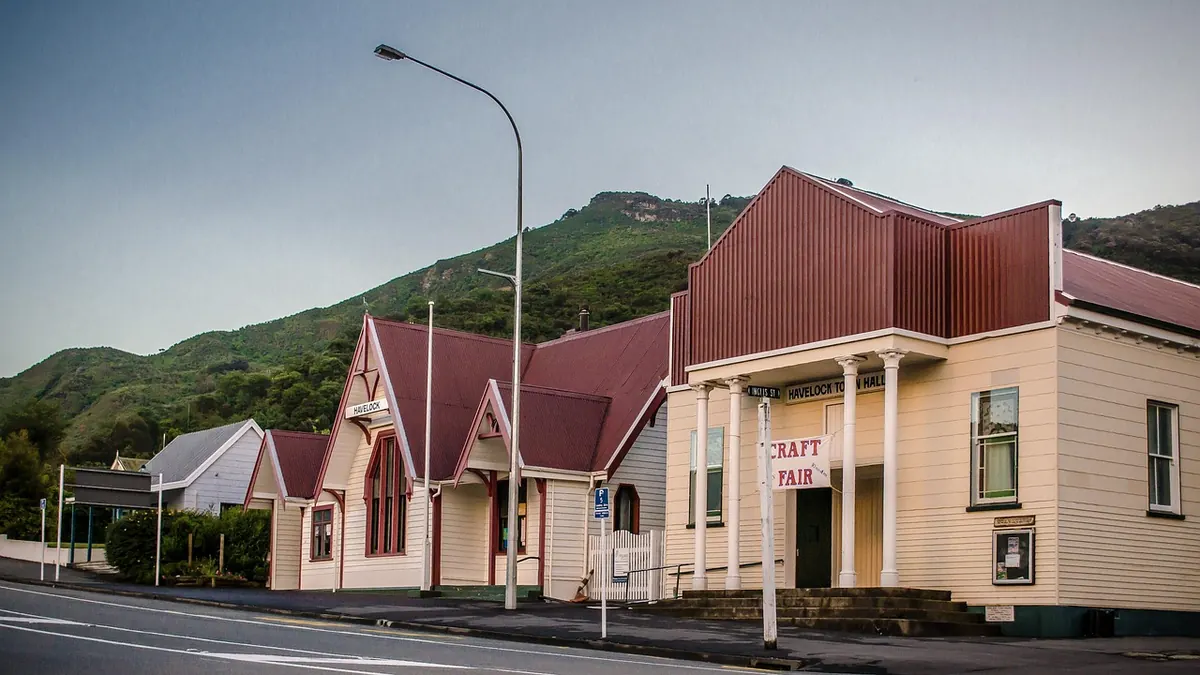
Small-town halls are odd, wonderful venues. The same building might host a wedding dance on Saturday, a 4-H meeting on Tuesday, and a funeral lunch on Thursday. The person who decides whether you get it often volunteers for the job, checks email twice a week, and has firm opinions about the stacking chairs. Knowing that up front changes how you book, what you pay, and which rules you can negotiate — and which you absolutely cannot.
Find Out Who Actually Runs the Hall
Before you ask about dates, figure out who holds the keys. In a small town that could be the municipal office, a community association, an agricultural society, a service club, a church, or a private owner who rents out a converted rink building. Each one has a different approval process, and some only meet once a month.
If a volunteer board approves rentals, your date isn't locked until the minutes are signed. Ask when the next meeting is and whether you can be put on the agenda. If the town office handles bookings, you'll likely deal with a recreation coordinator who also manages the ball diamond and the campground, so plan for slower replies in July and August.
Get the name and phone number of the caretaker as well. That's the person who unlocks the door, sets the thermostat, and decides whether your deposit comes back. Being pleasant to the caretaker is worth more than any discount you'll negotiate with the board.
Resident and Non-Resident Rates
Many small towns charge two prices. Locals pay one rate; everyone else pays another, sometimes 25 to 50 percent higher. Some halls also require a resident sponsor who signs the agreement and accepts responsibility. If you live an hour away and want the hall for a family reunion, ask about this early — it can be the difference between a booking and a polite no.
Permits and Paperwork You Should Expect
A handshake is not a rental agreement. Expect a form, a deposit, and a list of conditions. The exact requirements vary by province, state and municipality, so confirm everything with the town office, the hall's booking contact, and your own insurer before you commit.
Documents commonly requested:
- A signed rental agreement listing hours, rooms and equipment included
- A damage deposit, sometimes equal to the rental fee, plus a separate key deposit
- A certificate of insurance naming the hall or municipality as an additional insured, especially if alcohol is served
- A liquor licence or special event permit, if you're serving or selling alcohol
- A food permit if you're selling food to the public rather than feeding guests for free
- Proof of a paid duty officer or security staff for large or late-night events
- Fire occupancy information — the posted limit is the limit, and it includes the band, the caterer and the bartender
Paperwork takes time. Liquor licences and fire inspections aren't same-week items in most places. For anything involving alcohol, liability or large crowds, get advice from a lawyer or insurance broker rather than relying on a neighbour's recollection of how it worked at their cousin's wedding.
Parking Is Usually the Real Bottleneck
A hall built in 1958 seats 180 people and has a gravel lot for 30 cars. That math doesn't work, and no amount of enthusiasm fixes it.
Walk the site at the hour your event will actually run. Check whether the lot is plowed in winter, whether there are lights, and whether there's a marked accessible space near a door without a step. Ask if you can use the school lot, the curling rink, or the church across the street — and get that permission in writing from whoever owns it.
Then plan around it. Designate a drop-off point for older guests, print a small map for invitations, and consider a shuttle from a larger lot a few blocks away. Never let cars block driveways, back lanes, or the route a fire truck would need. In a town of 900 people, the volunteer fire chief will hear about it, and so will the hall board.
Noise Rules and the Last-Hour Problem
Most small towns have a noise bylaw with a curfew — often 11 p.m. or 1 a.m. — and many halls sit on residential streets where a single complaint sends a bylaw officer to the door. Ask three specific questions: does the curfew apply to amplified music only or to any sound, does teardown count toward the rental window, and is outdoor music allowed at all.
Then build the schedule backwards. If the music must stop at 11 and the hall must be empty by midnight, your band needs to finish at 10:45 and you need a crew of six people who know where the recycling goes. Assign one person to be the contact for neighbours and the caretaker so complaints don't get spread across five phones.
What It Costs, and the Quirks in the Fine Print
Small-town hall pricing rarely follows a simple hourly rate. You'll see per-hour rates with a four-hour minimum, half-day and full-day rates, weekend rates, and a higher "wedding rate" for the same room. Members of the association often pay less. So do people who book the hall for their own family's funeral lunch and have done so for three generations.
Watch for the add-ons: a cleaning fee whether you clean or not, a caretaker fee for having someone on site, a kitchen fee separate from the room fee, charges for tables, chairs, dishes, coffee urns and the sound system, and a garbage or recycling surcharge. Deposits are usually returned by cheque weeks later, after an inspection, so photograph the room before and after.
Also ask how they take money. Plenty of halls still run on cheques and e-transfers, and a few take cash only.
Questions to Ask Before You Sign
- Is the rate hourly with a minimum, or a flat day rate, and does it include setup and cleanup time?
- What's the posted occupancy limit, and does it include staff and performers?
- Is alcohol allowed, and what licences and insurance do you require?
- How many parking spaces are there, and may we use the lot next door?
- What is the noise curfew, and does it apply during teardown?
- Who cleans — us or the caretaker — and what exactly does the cleaning fee cover?
- What is included in the kitchen, and what must we bring ourselves?
- When and how is the damage deposit returned?
- Is a deposit required to hold the date, and how long will you hold it?
- Can we get access the night before for setup?
Book Early, Walk the Space, Leave It Clean
Call the town office or association first and ask for the rental policy in writing. Visit in person, ideally while another event is running, so you can see the parking, the sound and the kitchen under real conditions. Confirm every promise by email, and reconfirm the week before. On the day, arrive with your own extension cords, garbage bags and a broom.
Then leave the hall better than you found it. Small-town rental calendars run on trust, and the volunteer who inspects your deposit today is the same person who decides whether you get the hall again next summer.
Photo: Mampu / Pixabay