How to Rent a Community Hall for a Birthday Party: Step-by-Step
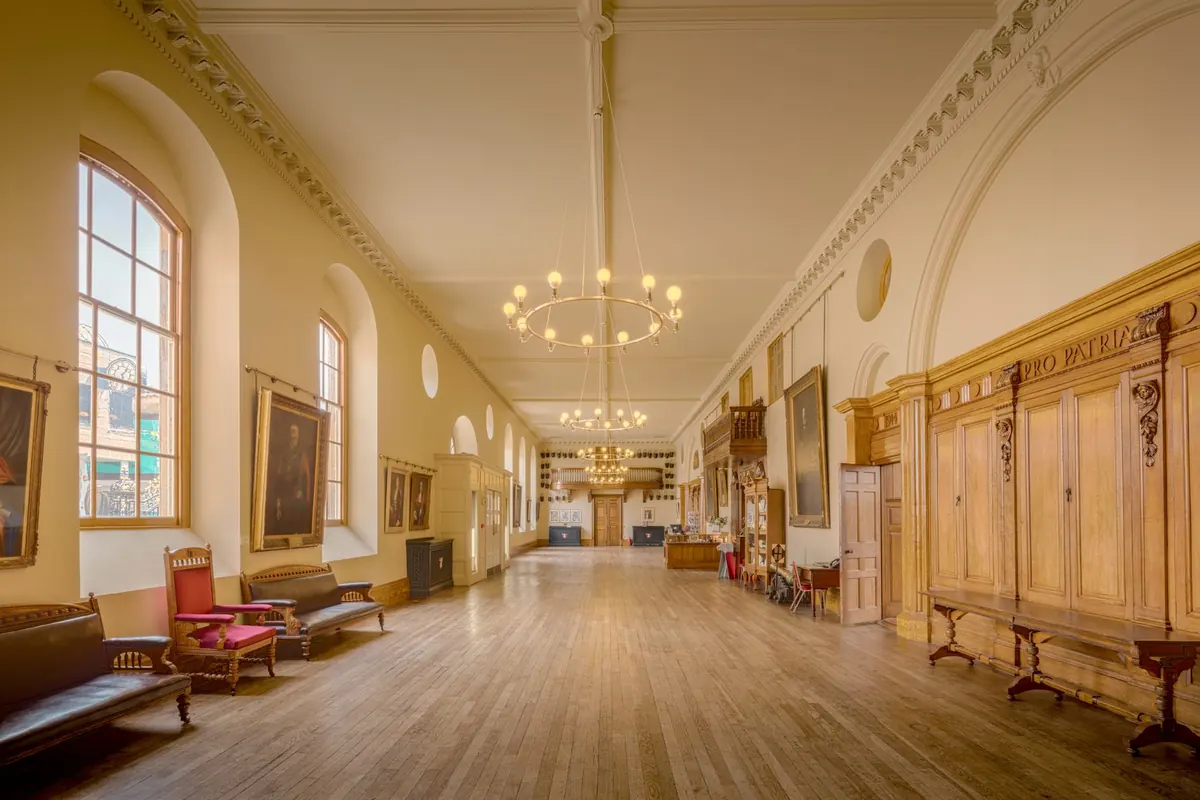
A community hall solves the biggest problem a birthday party has: space. Thirty people in a living room is a squeeze. Thirty people in a hall with tables, a kitchen, and a corner where the kids can run is an actual party. Halls also tend to be the most affordable option that lets you bring your own food, decorate how you like, and stay past eight o'clock.
What they aren't is automatic. Community halls are run by city departments, neighbourhood associations, churches, legions and non-profit boards, and each one has its own rules, caretakers and paperwork. Work through the steps below in order and most of the surprises disappear before they cost you anything.
Start With Two Numbers: Guests and Hours
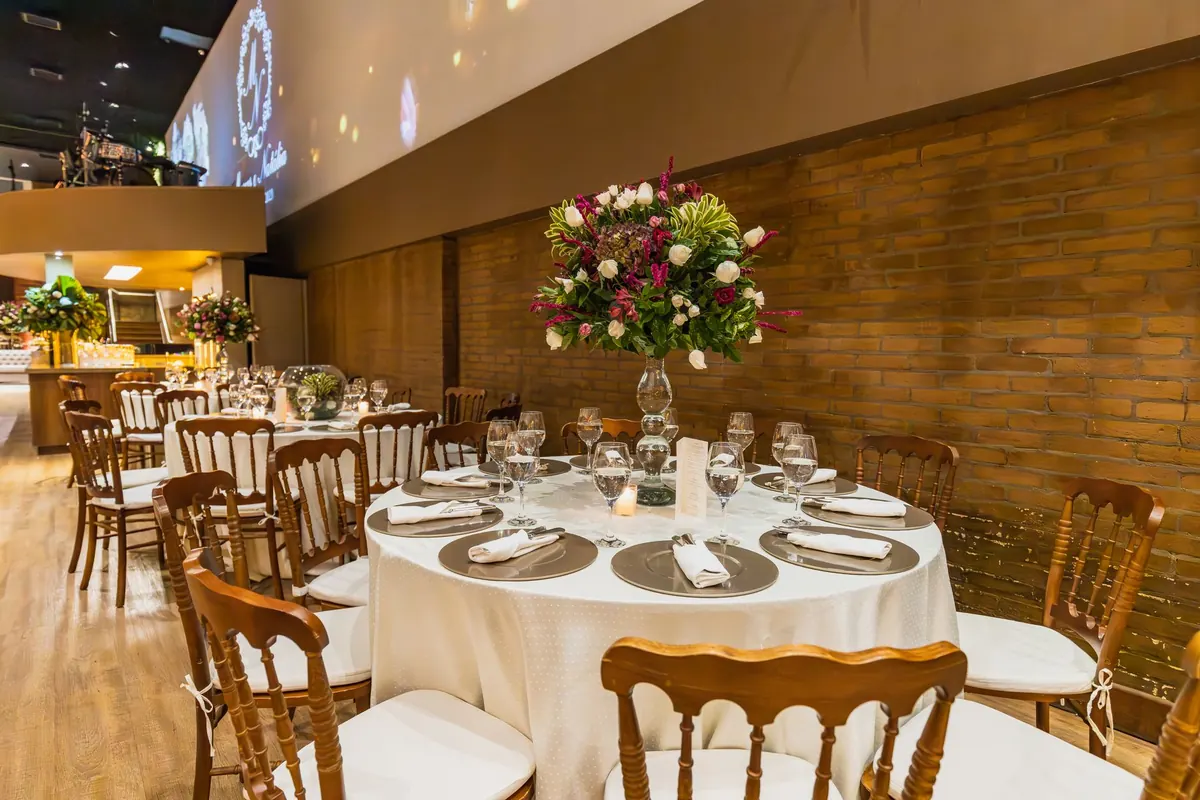
Before you call a single hall, get a rough guest count and decide whether people will be seated at tables or standing and mingling. This matters more than you'd think. A hall that seats 80 banquet-style may only hold 50 once you add round tables, a buffet line and a dance floor. Ask each venue for both numbers: seated capacity and standing capacity.
Then build a real budget, not just the headline rental fee. A typical hall booking can include:
- Rental fee (often different for residents vs. non-residents, weekdays vs. weekends)
- Refundable damage deposit
- Cleaning fee or a cleaning requirement you handle yourself
- Caretaker or staff-on-site charge
- Kitchen use, if you're cooking or warming food
- Extra hours for setup and teardown
- Insurance, permits, or a licensed server if alcohol is involved
If the total lands comfortably inside your budget, book it. If it swallows the whole budget, look at a Friday, a Sunday afternoon, or a smaller hall.
How to Find Community Halls Worth Touring
Start with your municipal parks and recreation department — most cities publish a searchable list of rentable rooms and halls. Then check neighbourhood associations and community leagues, which often run their own buildings and charge less than private venues. Churches, legions, fraternal lodges and cultural centres rent halls too, usually with fewer frills and lower rates.
Ask around as well. The parent who hosted the last class birthday party knows which halls have parking, which caretakers are flexible, and which ones have a kitchen that actually works. Local community groups online are good for this.
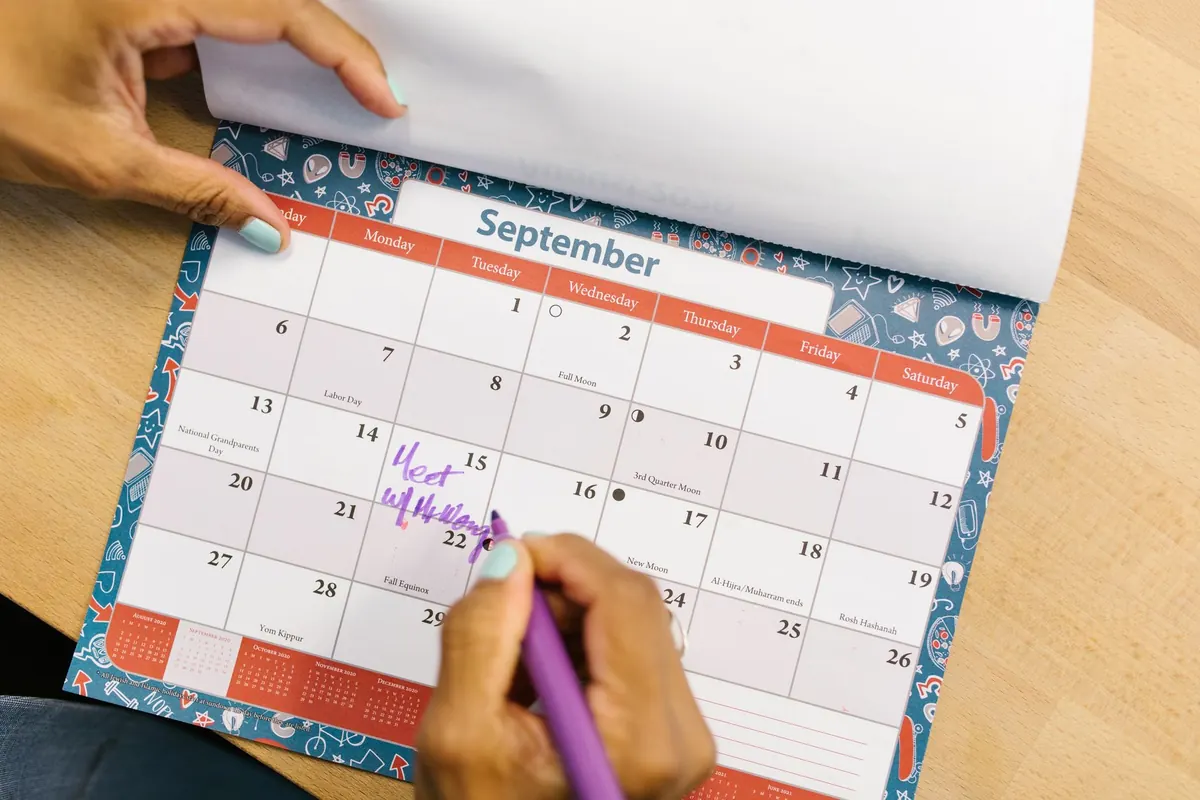
Timing matters. Saturday evenings in spring, summer and December fill up months ahead. If your date is fixed, start looking eight to twelve weeks out — earlier for a popular hall.
Questions to Ask Before You Visit
Save yourself a wasted trip. A five-minute phone call or email answers most of this:
- Is my date available, and what's the minimum rental block?
- How many tables and chairs are included, and what condition are they in?
- Is there a kitchen, and what am I allowed to do in it?
- What's the policy on alcohol, outside catering and amplified music?
- Is there a noise curfew or a hard out-time?
- Do you require liability insurance or a licensed caterer?
- What exactly do I need to clean before I leave?
- When can I get in for setup, and when must I be out?
If alcohol is part of your plan, confirm the rules with the hall and with your local licensing authority before you buy anything. Requirements vary widely by region, and getting this wrong can cancel a party.
What to Look For on the Tour
Layout and capacity
Walk the room with your guest count in mind. Where will the food go? Is there a natural spot for gifts and cake? Could kids be contained in one corner without blocking a fire exit?
The kitchen
Check the fridge and freezer space, oven capacity, counter area and sinks. Ask what's off-limits — some halls don't allow cooking on site at all.
Sound, power and light
Find the outlets. Ask whether a microphone or sound system is available and whether the room echoes badly. A concrete-floored hall with a metal ceiling will make a DJ's setup sound muddy.
Access, parking and neighbours
Ask about the load-in door, whether stairs are involved, and how many cars the lot holds. If the hall backs onto houses, expect a curfew and plan your music accordingly.
Reserving the Hall: Get It in Writing
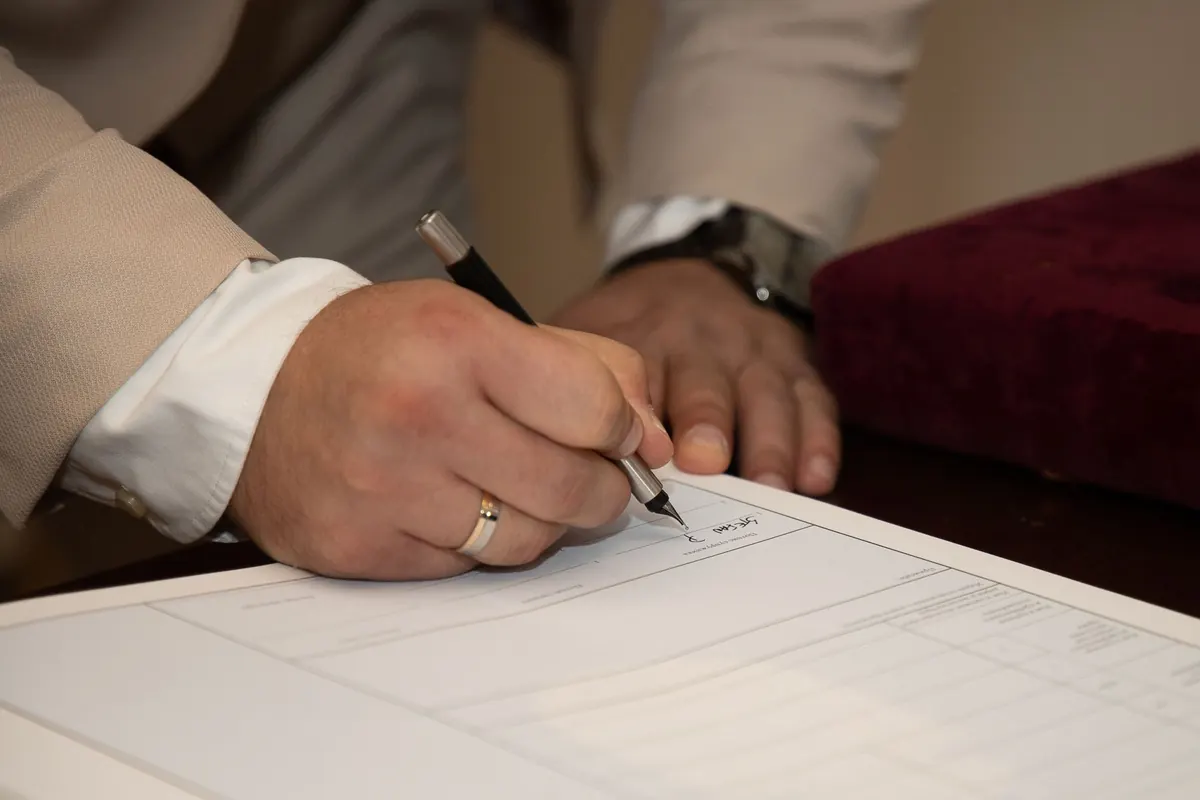
Read the rental agreement properly. The two lines people skim past are the rental window and the cancellation policy. Your rental window is usually the full time you have the building, and it includes your setup and cleanup — if you have the hall from 4 to 11 p.m., the party isn't 4 to 11. Build in at least an hour before and an hour after.
Confirm in writing anything that was promised verbally, whether that's extra tables, early access or permission to hang decorations. A quick email summarising "just confirming what we discussed" is enough. Pay deposits by a method that leaves a record, and note the conditions for getting the damage deposit back — usually a clean room, trash removed, and nothing taped to painted walls.
If the hall requires liability insurance, talk to an insurance professional about whether your existing home or tenant policy covers a one-day event, or whether you need a separate certificate.
Setup and Day-Of: A Simple Timeline
- Two weeks out: confirm final guest count, send any required insurance or permits, and ask the caretaker about trash disposal and keys.
- Day before: drop off non-perishables, label your boxes by purpose ("cake table," "kids' crafts"), and chill drinks overnight if the fridge allows.
- Setup window: sketch your layout before you move a single table. Food and cake near the kitchen, gifts near the door, kids' area away from the buffet line.
- One hour before: music tested, candles and lighters ready, greeter assigned, trash bags stationed where people will actually use them.
- During the party: give one or two people a clear cleanup job so it isn't a free-for-all at the end.
- Last half hour: start packing. Sweep, wipe counters, bag the trash and take a photo of the room before you lock up — useful if there's any question about the deposit.
The Details That Make It Feel Effortless
Print a one-page run sheet with the hall address, caretaker's number, and who's bringing what. Designate someone other than the birthday host to handle the cake, the music and the cleanup, because the host will be busy being the host. Bring more trash bags and paper towels than you think you need, plus tape, scissors and a marker.
Thank the caretaker on the way out and leave the room better than you found it. Community halls run on relationships, and the person who books you next time remembers who made their job easy. Leave on time, hand back the keys, and take the leftovers with you — that's a booking that ends well.
Photo: Michael D Beckwith / Pexels